by Alison Wassell
Someone’s banging on the front door, but that’s not what’s woken me. There’s a high-pitched whining that surely only dogs should be able to hear. Ben, lying next to me, doesn’t stir, which isn’t surprising. He’s taken to wearing earplugs at night, and in the day too, if he thinks he can get away with it. He says it makes things easier to bear.
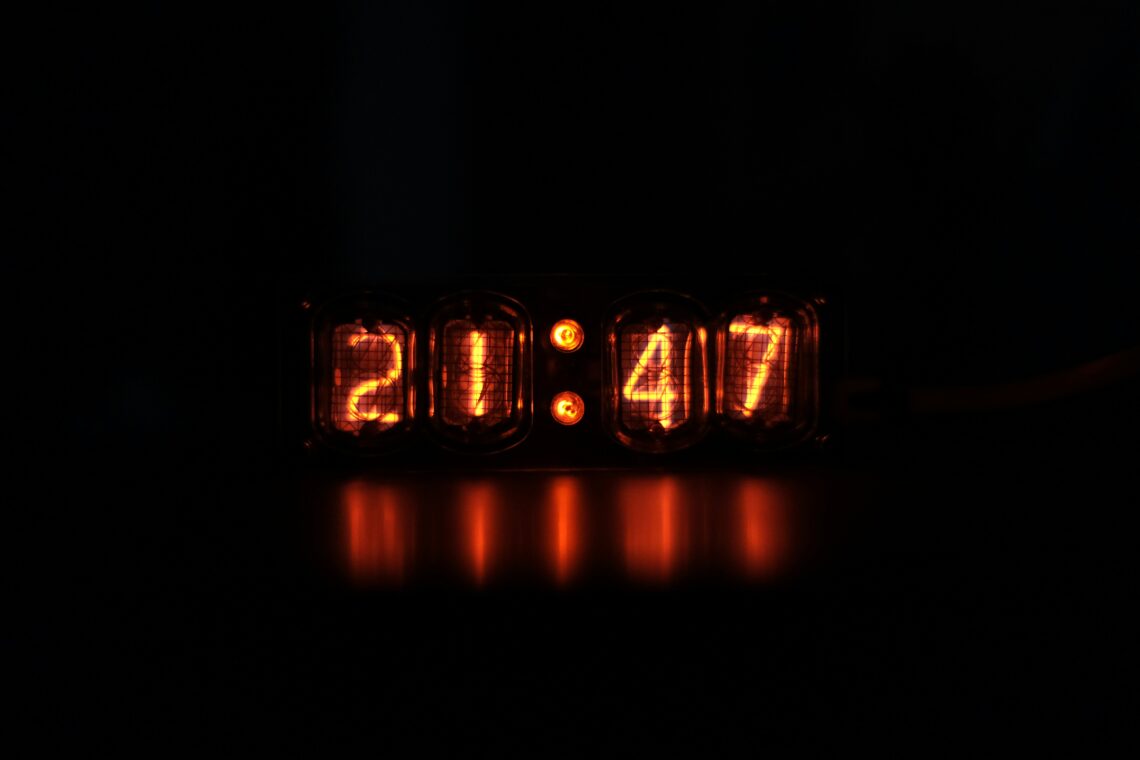
By the time I get downstairs the noise has stopped. Trudi’s standing there in her nightie, clutching an In-Home Display Unit. As I go to take it from her a red light stops flashing and the screen goes blank.
“It’s Joe’s,” she says. “It started playing up while I was making his porridge.”
“Have you checked on him?” I ask, knowing she hasn’t. She shakes her head. Pulling on a cardi over my pyjamas, I follow her next door. The geography of her house is the same as ours, only in reverse, and I have no trouble finding the bedroom. Joe’s lying on his back with his mouth slightly open, still warm but definitely gone. I open the window, the way I’ve seen people do in old films and go back downstairs. Trudi’s waiting in the kitchen.
“I’m sorry, love. Looks like he’s been terminated,” I say. The words sound cold, but I can’t think of a kind way of putting it that isn’t a cliché.
Once I’ve persuaded her to go up and say her goodbyes I put the kettle on. That’s when I notice the “Happy Birthday – 70 Today” banner Blu Tacked to the kitchen cupboard. Trudi must have bought it ages ago. Nobody celebrates hitting seventy these days. On the table there’s an envelope with Joe’s name on it and a package that looks like socks.
When Trudi starts to howl I cover my ears with my hands, thinking that maybe Ben has the right idea. I’ve made that noise myself twice in the last year, when my parents went, heard others make it many more times, but you never get used to the raw animal pain contained in it. I stir an extra sugar into Trudi’s tea, remembering what my granny said about it being good for shock.
By the time she comes downstairs she has managed to compose herself.
“Did you not realise you have to buy extra credits once you reach seventy?” I say, as we sip our tea and nibble on chocolate Hobnobs. She snorts, asks if I’ve seen how much they’re charging, especially if you have pre-existing health conditions.
“I thought they’d give us notice, like those red bills you used to get through the post, not just switch him off.” She tears a piece of kitchen towel from the roll and blows her nose. You are supposed to get a four-week warning sent to your phone, but Trudi and Joe were early adopters, lured in by the promise of a monthly lottery with big cash prizes, whereas Ben and I held off until the government made it compulsory. First generation meters have been found to be unreliable. I don’t mention it. Trudi could probably put a complaint in, but what would be the point?
I reach across the table and squeeze her hand, tell her we’d have helped, if we’d known they were struggling.
“You’re a good girl, Jenny,” she says. Her own device is ticking on the windowsill and I sneak a look at it when I take the mugs to the sink. Time remaining: 3 months, 5 days, 6 hours. Trudi answers my question before I ask it.
“I’ll not be bothering to top myself up. Not now.”
When I tell Ben he cries, silently, biting his knuckles as though he’s trying to keep the sadness in. He was fond of Joe, said he reminded him of his dad.
Neither of us will make it to seventy. We had five years deducted when we got arrested at a protest last year. It would have been less, but a police officer got a bump on the head. We’re not entitled to credits, either, because of our records. After that all the fight went out of Ben and he bought the earplugs, stopped reading The Guardian, then stopped reading anything, started watching nothing but old episodes of Teletubbies and Postman Pat on YouTube.
Our devices are on the top shelf of the cupboard, wrapped in newspaper in an old biscuit tin like the one Granny used to store her Christmas baubles in, but on days like this we can still hear them ticking, counting down the days.
“I can’t go on like this, Babe,” Ben says. He reckons he knows a bloke who knows a bloke whose brother can deactivate microchips. It’s not cheap, but we could use our savings.
I think about this for a while, imagine us disappearing, learning to fend for ourselves on some remote island like a family in a kids’ adventure book. Always looking over our shoulders, though. What kind of life is that? I think of the pregnancy test I haven’t dared to take yet, gathering fluff at the bottom of my handbag, and the fact that Ben has no idea I’ve bought it.
I cup his face in my hands and stare into his eyes for a long time without blinking, trying to find the man he used to be.
“You go if you want to,” I say, eventually. “I’m going to stay and fight.”
Alison Wassell is a writer of flash and micro fiction from Merseyside, UK. Her work has been published by The Bridport Prize, Fictive Dream, Does It Have Pockets, NFFD, Frazzled Lit and elsewhere and has been nominated for Best Small Fictions and Best of the Net. She has no plans whatsoever to write a novel.
Photo by Vincent Chan on Unsplash

